Global Journal of Cancer Therapy
Bone Tumor Metastasis Therapeutics, New Ideas and Perspectives
School of Life Sciences, Shanghai University, Shanghai200444, People’s Republic of China
Author and article information
Cite this as
Da-Yong L, et al. Bone Tumor Metastasis Therapeutics, New Ideas and Perspectives. Glob J Cancer Ther. 2026; 12(1): 20-22. Available from: 10.17352/2581-5407.000057
Copyright License
© 2026 Da-Yong L, et al. This is an open-access article distributed under the terms of the Creative Commons Attribution License, which permits unrestricted use, distribution, and reproduction in any medium, provided the original author and source are credited.Bone cancer and metastasis treatments need new ideas and perspectives. A huge number of cancer patients with osteosarcoma and cancer metastasis show great pains, move difficult, incurable features and lack of effective drugs. Critical challenge and dilemma of bone-related cancer, disease diagnosis, and treatment need updating in conventions and special care, especially in disease diagnosis and classification. To promote bone cancer and metastatic treatment outcomes, sustainable medication creation, therapeutic evaluation, and sustainable academic funding are indispensable. This Article discusses some of the important topics in bone cancer treatments.
Cancer is the second leading cause of mortality among all diseases worldwide [1-2]. Since neoplasm metastasis plays a leading role in patients’ deaths in clinical trials (80%-90% of all cancer deaths), neoplasm metastasis diagnosis and treatment are the front line for basic and clinical cancer research [3-5].
Bone cancer diagnosis and treatments
Bone cancer and metastasis need new knowledge, academic explorations in pathogenesis and treatments [6-10]. A plenty of cancer patients with osteosarcoma and cancer metastasis show great pains, mobility problems, incurable features, and low survival elongation even if ‘proper treatments’ are given. To promote bone cancer and metastatic treatment outcomes, sustainable medication creation, therapeutic evaluation, and funding are indispensable.
Methods
Bone cancer treatments are classified as surgery, radiology, immunotherapy, and drug treatment. Facing the critical nature of bone-related cancer, disease diagnosis and treatment need new ideas and perspectives. Methods, technology, and routines in diagnosis and therapeutic selections must be created [6-10].
General outlooks
Human bone tissue is one of the most common tissues for hosting metastatic cancer. Pathogenesis and diagnostic relations should be further revealed, especially in areas of radiotherapy, drug targets, mechanisms of action, and selection.
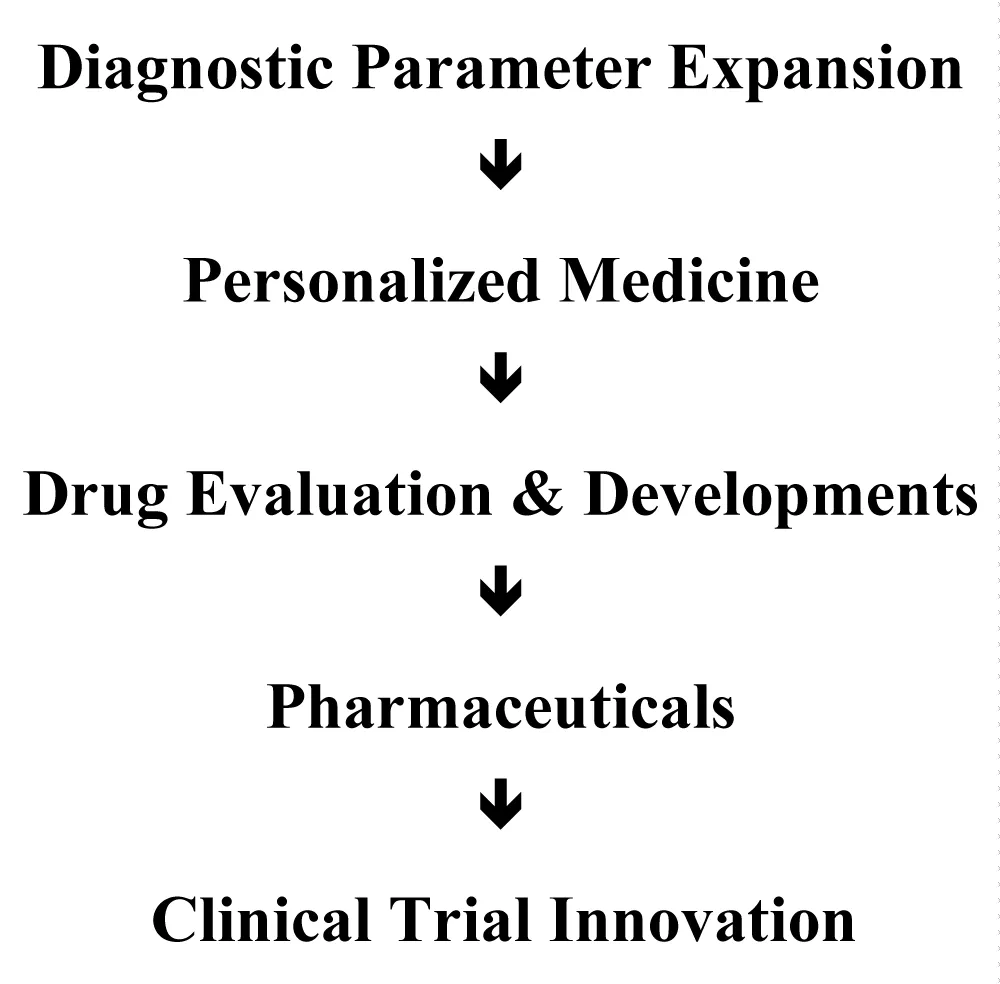
There are a lot of different anticancer drugs in the clinic. At present, drug treatment and combinations are the first choice for bone metastatic diseases. To facilitate biomedical research, drug response predictions or other platforms in the clinic can be placed on the high agenda [11-17] (Figure 1);
Discussion
Human bones are very dense in tissues and tumor environments. Anticancer drugs are more difficult to penetrate into the tumor cells within human bones. Some nanotechnology for diagnosis, treatment, and recovery of bone cancer can provide new directions for better outcomes of treatments [18]. Many other pathways and ideas can lead to better outcomes for cancer.
New ideas and technology for differentiating the characteristics of bone cancer (local or metastasis) should be sustainably compared and personalized treatments. Treatments suited for high-density environments should be especially noticed and promoted.
New ideas and perspectives
Pharmacology: The priority for bone cancer treatments is the discovery of highly active drugs. In general, no highly effective anticancer drugs have been discovered for the treatment of bone cancer. Many anticancer drugs have high drug resistance, toxicity, and low efficacy [11]. Special drug targets should be discovered. In the clinic, biomarker detection and diagnosis may help to further drug selection and combination [12-14]. By the discovery of targeted molecules, drug efficacy may be improved.
Pharmaceutical: Though the pharmacological study of drugs for bone cancer is slow, pharmaceutical studies for drug delivery, like hydrogel, printer, liposome, antibody delivery, and different nanoparticles, have improved therapeutic outcomes very dramatically. Pharmaceutically modified drugs can be directly used or combined with thermotherapy or radiotherapy [15-20]. These pharmaceutical innovations may trigger great possibilities and outcomes of therapeutic progression and breakthroughs.
Immunotherapy. Immunotherapy shows a promising future in cancer treatments and drug development, like mRNA-based vaccines and many others [15]. These therapies are relatively more specific and unlike normal anticancer drugs. They are new categories of cancer treatments and targets.
New diagnostic initiatives: Cancer diagnosis is complicated now, and it is not clearly defined. Currently, it is shown as TNM as a basic diagnosis for cancer patients. But, genetic or molecular diagnosis is flourishing now. To unite this information, the new systems of TNMGgenesMmoleculesTtargets should emerge [21]. To promote these new initiatives, brainstorms should be showcased.
New experimental and clinical models: In an experimental study, we can receive data on drug responses from animals. Clinical diagnostics is difficult for the evaluation of drug responses due to the instability of diagnostic profiles, especially in image evaluations. Blood circulatory tumors or their biomarkers in patients are new trends and clinical applications [22]. These diagnostic and management studies should be promoted in wide-ranges.
Pain alleviation: For bone cancer, severe pain is commonplace. Radiotherapy or painkillers are a usual way of alleviating pain [23]. Radiotherapy, though not curability to disease now, can be greatly useful for alleviation pains. Nowadays, radiotherapy with short time-spans can be very effective for both tumor inhibition and pain alleviation.
Drug response prediction: To increase drug efficacy, drug selection is a useful way, such as drug response prediction and biomarker detection [24-28]. They are now categorized as personalized medicine or precision oncology [29-30]. Their names have evolved in the past six decades [29]. Researchers should understand their history, nowadays and the future.
Future trends
Drug treatment for metastatic diseases has different categories and clinical applications [3-5]. The association and relationship between diagnosis and drug responses should be built in the future. Personalized medicine and precision oncology are a useful drug selection paradigm currently and will continue to grow in the future [29-30]. These integrative medical ideas, techniques, and systems are progressing rapidly. Future advancement in this issue should be greatly expected, especially from traditional medicine [31].
Conclusion
Bone cancer treatment can be studied in many pathways, like new diagnostic techniques, pharmacology, pharmaceutical, immunotherapy, experimental models, and others. Clinical cancer diagnostic and therapeutic study of both clinicians and technology should be reflected and promoted recursively. New ideas and technology for differentiating the characteristics of bone cancer (local or metastasis) should be sustainably compared and personalized. Many discoveries can be found via the above-mentioned approaches.
- Lu DY. Advances in cancer therapeutics and genomics for improved patient outcomes. Curr Cell Sci. 2025;1:43-46. Available from: https://doi.org/10.2174/0127726215385123250326043523
- Siegel RL, Kratzer TB, Giaquinto AN, Sung H, Jemal A. Cancer statistics, 2025. CA Cancer J Clin. 2025;75(1):10-45. Available from: https://doi.org/10.3322/caac.21871
- Lu DY, Lu TR, Wu HY, Cao S. Cancer metastasis treatments. Curr Drug Ther. 2013;8(1):24-29. Available from: https://doi.org/10.2174/1574885511308010003
- Lu DY, Lu TR. Antimetastatic drugs: pharmacologic challenge and opportunity. Curr Drug Ther. 2025;20(2):169-179. Available from: http://dx.doi.org/10.2174/0115748855284405231212051251
- Gerstberger S, Jiang Q, Ganesh K. Metastasis. Cell. 2023;186:1564-1579. Available from: https://doi.org/10.1016/j.cell.2023.03.003
- Lu DY, Che JY. Bone tumor metastasis: pathogenesis, diagnosis, and therapeutics. Cancer Ther Oncol Int J. 2026;31(4):556319. Available from: https://doi.org/10.19080/CTOIJ.2026.31.556319
- Lu DY, Xu B. Bone metastasis treatment: major frontiers. Acta Sci Orthop. 2021;4(7):1-2. Available from : https://actascientific.com/ASOR/pdf/ASOR-04-0325.pdf
- Hakim BAA. Benign bone tumors: an overview. Acta Sci Orthop. 2021;4(10):1-2.
- Lu DY, Putta S, Che JY. Bone metastasis and circulation biomarkers profiling toward personalized cancer medicine. BME Horizon. 2023;1(3):91. Available from: https://www.sciexplor.com/bmeh/articles/2972-449X-vol1(3)-91
- Lu DY, Xu B. Bone cancer and metastatic trials: drug treatment. Acta Sci Orthop. 2021;4(9):31-33. Available from: https://doi.org/10.31080/ASOR.2021.04.0355
- Bhadresha KP, Patel M, Jain NK, Rawal RM. A predictive biomarker panel for bone metastasis: liquid biopsy approach. J Bone Oncol. 2021;29:100371. Available from: https://doi.org/10.1016/j.jbo.2021.100374
- Lu DY, Xu B, Lu TR. Anticancer drug development: evaluative architecture. Lett Drug Des Discov. 2024;24(5):836-846. Available from: https://doi.org/10.2174/1570180819666220610102444
- Pantel K, Alix-Panabières C. Crucial roles of circulating tumor cells in the metastatic cascade and tumor immune escape: biology and clinical translation. J Immunother Cancer. 2022;10:e005615. Available from: https://doi.org/10.1136/jitc-2022-005615
- Lu DY, Lu TR. Cancer bioinformatics: a new chapter of personalized medicine. J Intern Med Health Aff. 2025;4(1):044. Available from: https://doi.org/10.58489/2836-2411/044
- Wang YX. Advances in cancer immunotherapy and future directions in personalized medicine. Open Life Sci. 2025;20:20251179. Available from: https://doi.org/10.1515/biol-2025-1179
- Barani M, Mukhtar M, Rahdar A, Sargazi S, Pandey S, Kang M. Recent advances in nanotechnology-based diagnosis and treatments of human osteosarcoma. Biosensors (Basel). 2021;11(2):55. Available from: https://doi.org/10.3390/bios11020055
- Lu DY, Che JY. Bone metastasis diagnosis: blood biomarker detections. Biomed J Sci Tech Res. 2023;52(4):8276. Available from: https://doi.org/10.26717/BJSTR.2023.52.008276
- Mohan A. Advances in nanotechnology for diagnosis, treatment, and recovery of bone cancers. Undergraduate Res Nat Clin Sci Technol J. 2025;9(6):886. Available from: https://doi.org/10.26685/urncst.886
- Elshimy Y, Alkhatib AR, Atassi B, Mohammad KS. Biomarker-driven approaches to bone metastasis: from molecular mechanisms to clinical applications. Biomedicines. 2025;13:1160. Available from: https://doi.org/10.3390/biomedicines13051160
- Makkar SK. Advances in RNA-based therapeutics: current breakthroughs, clinical translation, and future perspectives. Front Genet. 2025;16:1675209. Available from: https://doi.org/10.3389/fgene.2025.1675209
- Lu DY, Che JY. Cancer diagnosis: digital profiling creations. Cancer Ther Oncol Int J. 2026;31(5):556325. Available from: https://doi.org/10.19080/CTOIJ.2026.31.556325
- Lu DY, Xu B. Cancer bone metastasis: experimental study. Acta Sci Orthop. 2022;5(12):1-3. Available from: https://actascientific.com/ASOR/pdf/ASOR-06-0767.pdf
- Lu DY, Che JY. Possible ways of alleviating bone pain. EC Orthopaedics. 2025;16(5):1-4. Available from: https://ecronicon.net/assets/ecor/pdf/ECOR-16-01106.pdf
- Lu DY, Lu TR. Drug sensitivity testing: a unique drug selection strategy. Adv Biomark Sci Technol. 2020;2:59-66. Available from: https://doi.org/10.1016/j.abst.2020.11.001
- Lu DY, Qi RX, Lu TR, Wu HY. Cancer bioinformatics for updated anticancer drug developments and personalized therapeutics. Rev Recent Clin Trials. 2017;12(2):101-110. Available from: https://doi.org/10.2174/1574887112666170209161444
- Montero J, Sarosiek KA, DeAngelo JD, Maertens O, Ercan D, Piao H, et al. Drug-induced death signaling strategy rapidly predicts cancer response to chemotherapy. Cell. 2015;160(5):977-989.Available from: https://doi.org/10.1016/j.cell.2015.01.042
- Pantano F, Croset M, Driouch K, Bednarz-Knoll N, Iuliani M, Ribelli G, et al. Integrin alpha-5 in human breast cancer is a mediator of bone metastasis and a therapeutic target for the treatment of osteolytic lesions. Oncogene. 2021;40(7):1284-1299. Available from: https://doi.org/10.1038/s41388-020-01603-6
- Lu DY, Che JY. Bone disease treatments: importance of technical supports. Acta Sci Orthop. 2021;4(4):55-57. Available from:
- Lu DY, Lu TR. Personalized oncology: scientific and technical approaches. Curr Cell Sci. 2025;1(1):57-66. Available from: https://doi.org/:10.2174/0127726215380799250401214735
- Lu DY, Lu TR, Che JY, Shen Y, Yarla NS. Individualized cancer therapy: future approaches. Curr Pharmacogenomics Pers Med. 2018;16(2):156-163. Available from: https://doi.org/10.2174/1875692116666180821095434
- Lu DY, Lu TR. Traditional medicine, drug and clinical development. Clin Med Microbiol. 2025;1(1):1-12. Available from: https://www.researchgate.net/publication/398355069_Traditional_Medicine_Drug_and_Clinical_Developments


 Save to Mendeley
Article Alerts
Subscribe to our articles alerts and stay tuned.
 This work is licensed under a Creative Commons Attribution 4.0 International License.